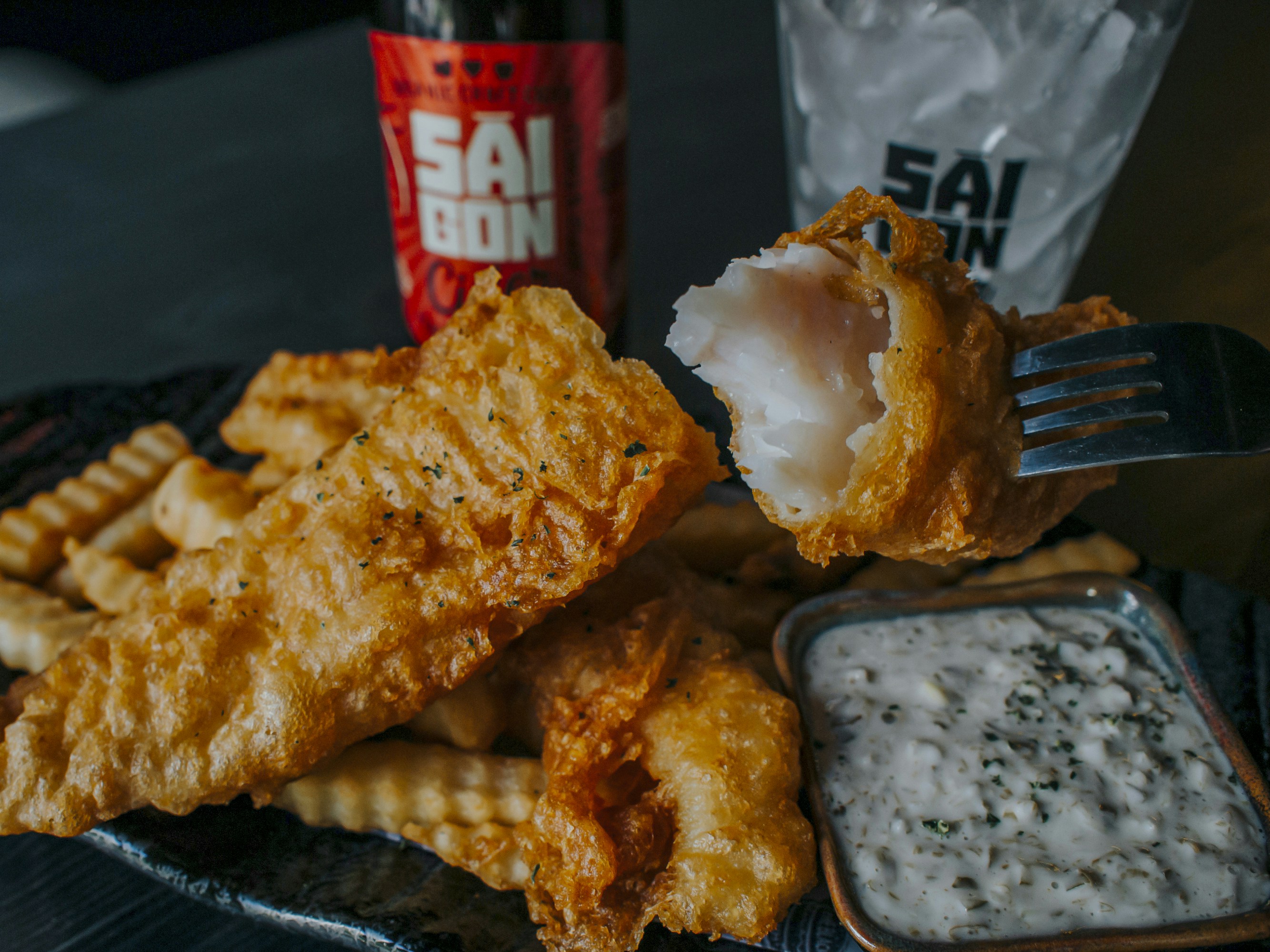
Introduction to Fried Fish
Fried fish is a beloved culinary delight enjoyed across various cultures and cuisines around the globe. Renowned for its enticing aroma and crisp texture, this dish has captivated food enthusiasts, making it a staple in both casual dining and gourmet establishments. The golden-brown exterior, achieved through the frying process, perfectly contrasts with the tender, flaky interior, providing an irresistible sensory experience that delights the palate.
Across different countries, fried fish takes on diverse forms and flavors, reflecting the local ingredients and cooking methods. For instance, in the southern United States, dishes like fried catfish and hushpuppies highlight regional traditions, while in Japan, tempura fish showcases a light, crisp coating that enhances the dish’s flavor. In the Mediterranean, fried fish is often accompanied by fresh herbs and citrus, elevating its taste profile. This versatility in preparation and presentation contributes to its widespread appeal.
The process of frying fish is more than just a cooking method; it is an art form that requires skill and attention. Achieving the perfect balance of heat, batter, and seasoning is essential to ensure that the fish remains juicy while attaining that sought-after crunch. This guide will delve into various techniques, tips, and FAQs about preparing fried fish, whether using a traditional frying method or experimenting with modern approaches. The enjoyment of fried fish transcends cultural boundaries, inviting individuals to gather, savor, and celebrate this delectable dish.
Choosing the Right Fish for Frying
When it comes to frying fish, selecting the appropriate type is crucial to achieving the desired flavor and texture. Each fish variety offers distinct characteristics that can significantly influence the frying process. Some of the most commonly preferred fish for frying include cod, tilapia, catfish, and haddock, each varying in taste and fat content.
Cod is often lauded for its mild flavor and flaky texture. This white fish has a low-fat content, making it an ideal choice for those seeking a lighter dish. When fried, cod develops a crispy exterior while maintaining a moist and tender interior. Its ability to absorb flavors from spices and batters makes it a versatile option.
On the other hand, tilapia is known for its slightly sweet taste and firm texture. This fish typically contains a moderate amount of fat, which contributes to its ability to remain juicy during frying. It rarely overcooks, making tilapia a beginner-friendly choice for frying enthusiasts.
Catfish, with its distinctive flavor profile, tends to be favored in Southern cooking. This fish is often breaded or battered and excels with biscuits or cornbread. Its higher fat content lends itself well to frying, as it retains moisture and flavor, creating a deliciously crispy exterior complemented by a tender inside.
Haddock, similar to cod, offers a delicate flavor and a soft texture. It is particularly popular in traditional fish and chips dishes. Its moderate fat content enables it to fry well, resulting in a delightful balance of a crunchy coating and a flaky inner layer.
When selecting fish for frying, ensure to choose fresh specimens. Look for clear eyes, bright red gills, and firm flesh that bounces back when pressed. The quality of the fish you select will directly impact the frying experience, with fresh fish generally yielding superior results. Ultimately, the choice of fish plays an integral role in the overall success of your frying endeavors.
Preparing the Fish for Frying
To achieve a delicious fried fish dish, proper preparation is key. The first step in preparing fish for frying involves thorough cleaning. Remove any scales by scraping the skin with a knife or a fish scaler, working from the tail towards the head. Rinse the fish under cold running water to ensure that all debris is washed away, and then pat it dry with paper towels. This moisture removal is crucial, as excess water can affect the frying process, making the batter soggy.
Next, filleting the fish is essential if you prefer boneless portions. Use a sharp fillet knife and make precise cuts from the dorsal fin towards the backbone, separating the flesh from the bones with care. A common mistake at this stage is leaving too much flesh on the bones, which can lead to wasted fish. Once filleted, the fish can be cut into smaller portions as desired.
Marinating is a fantastic way to enhance the flavor before frying. Simple marinades can include a mixture of lemon juice, olive oil, garlic, and various herbs such as dill or parsley. Letting the fish marinate for about 30 minutes allows the flavors to penetrate the flesh without overpowering the natural taste of the fish. Alternatively, for a spicier option, consider a blend of hot sauce, soy sauce, and ginger.
When it comes to seasoning, a dry rub can be a great option. Blends that incorporate paprika, cayenne pepper, salt, and black pepper can impart a flavorful kick. Ensure that the seasoning is evenly distributed on both sides of the fish, as uneven seasoning can result in bland spots. One common mistake is not seasoning adequately; a fish devoid of flavor can lead to a disappointing dish.
By following these crucial steps and avoiding common pitfalls, you can prepare your fish perfectly for frying, leading to a delicious and satisfying meal.
Battering and Coating Techniques
When preparing fried fish, the choice of batter and coating can significantly influence the final texture and flavor of the dish. Several techniques exist, each offering its unique attributes. Among the popular options is the traditional beer batter, which combines flour with beer to achieve a light, airy texture. The carbonation in beer creates bubbles that expand when cooked, resulting in an incredibly crispy layer that envelops the fish, enhancing both flavor and crunch.
Another noteworthy method is tempura, a Japanese technique that utilizes a light batter made primarily from flour and ice-cold water. Tempura batter is mixed gently to retain air pockets, promoting a delicate crispiness. This approach is ideal for achieving a crunchy exterior while keeping the fish moist and tender on the inside. The culinary variety introduced through tempura encourages the incorporation of additional flavors, such as herbs or spices, into the batter, creating a harmonious blend with the fish.
For those opting for breading, options like cornmeal and panko breadcrumbs stand out. Cornmeal lends a robust flavor profile, providing a gritty texture that pairs beautifully with the flaky fish. A simple method involves dredging the fish in flour, followed by an egg wash, and finally coating it with cornmeal before frying. On the other hand, panko breadcrumbs, known for their airy and flaky consistency, add an unmatched crunch to fried fish. A mixture of egg and panko not only brings a satisfying texture but also holds up well in the frying process.
Ultimately, to achieve the perfect crispiness when frying fish, it is crucial to remember the importance of oil temperature. Maintaining a steady frying temperature, typically around 350°F to 375°F, ensures that the batter or coating cooks evenly without absorbing excessive oil. Experimenting with different batter and coating techniques can enhance your fried fish masterpiece, each offering a distinct taste experience with delightful textures.
The Best Frying Methods
Frying fish is an art that can greatly enhance its flavors and textures. Notably, there are several frying methods commonly used: deep frying, shallow frying, and pan-frying. Each technique offers distinct advantages and requires specific equipment and oil types, making it essential for cooks to understand the nuances of each method.
Deep frying is arguably the most popular approach for achieving a crispy exterior while keeping the interior moist and flaky. This method involves submerging the fish completely in hot oil, typically heated to temperatures ranging from 350°F to 375°F (175°C to 190°C). A deep fryer is the ideal equipment for this technique, although a heavy pot can suffice. When deep frying, using oils with high smoke points, such as peanut or canola oil, is recommended.
Shallow frying, on the other hand, uses less oil, enough to cover the bottom of the pan and partially immerse the fish. This method is more economical and can be accomplished with any frying pan or skillet. When shallow frying, it is advisable to use oils such as vegetable or olive oil, heated to medium to high temperatures (approximately 325°F to 350°F or 160°C to 175°C). This technique is excellent for smaller fillets and ensures even cooking while producing a golden-brown crust.
Pan-frying is similar to shallow frying but typically involves cooking at a lower temperature and often requires a little longer cooking time. This method is ideal for cooking delicate fish like sole or trout, as it allows for more control over the cooking pace. Regardless of the frying method chosen, ensuring the fish is dry before cooking can prevent excess splattering and improve safety. Additionally, maintaining a constant oil temperature and avoiding overcrowding in the pan can lead to even cooking and prevent the fish from becoming soggy. By adhering to these guidelines, cooks can confidently master their frying techniques, resulting in delicious, perfectly cooked fried fish.
Serving Suggestions and Side Dishes
Fried fish is a versatile dish that can be enjoyed in numerous ways, allowing for endless creativity in presentation and accompanying flavors. To enhance the dining experience, it is essential to serve fried fish with the right garnishes and sides that complement its crispy texture and rich taste. A few popular serving suggestions include fresh lemon wedges and a sprinkle of chopped parsley, which not only add a vibrant color but also a refreshing brightness that balances the dish’s richness.
Sauces play a pivotal role in elevating fried fish. Classic tartar sauce, made with mayonnaise, pickles, and capers, is a favored choice, providing a tangy contrast that pairs exceptionally well. Another option is a homemade remoulade, a zesty sauce that infuses additional flavors, while chili or sriracha aioli can introduce a spicy kick. Consider providing a selection of dipping sauces to cater to different palates, ensuring an array of flavors to enhance the experience.
When selecting side dishes to accompany fried fish, traditional options such as coleslaw, French fries, or potato wedges are perennial favorites. Each complements the fish’s savory profile while providing a satisfying crunch. Coleslaw, with its crisp cabbage and tangy dressing, offers a refreshing contrast, leaving the palate invigorated. For a more health-conscious choice, consider pairing fried fish with steamed vegetables, which can provide a nutritious balance to the meal.
Furthermore, serving fried fish with a side of grains, such as rice or quinoa, adds substance while enhancing the overall meal. It is important to thoughtfully pair flavors to ensure a harmonious dining experience. Opting for vibrant, fresh ingredients will not only complement the fried fish but also create a visually appealing plate. By incorporating both creative garnishing techniques and traditional sides, one can achieve a well-rounded meal that celebrates the deliciousness of fried fish.
Health Considerations and Alternatives
Fried fish has long been favored for its savory flavor and appealing texture. However, health considerations associated with its consumption warrant attention. The primary concern is the high calorie and fat content typically associated with frying. While fish is an excellent source of protein and essential omega-3 fatty acids, frying can significantly increase its caloric density, making moderation essential in a well-rounded diet.
Dietary impacts can vary, particularly among different types of fish and frying methods. For instance, deep frying fish in oil adds extra calories and unhealthy trans fats, which are known to raise cholesterol levels and increase the risk of heart disease. Conversely, fish that are grilled or baked retain their nutritious qualities without added fats. Therefore, individuals aiming to reduce their intake of unhealthy fats may consider alternative cooking methods that enhance fish’s natural flavors while preserving its health benefits.
For those seeking healthier options, baking and air frying are effective alternatives to traditional frying. Baking fish in the oven allows the natural moisture to enhance the flavor while maintaining its nutritional profile. Air frying, on the other hand, utilizes significantly less oil, which not only reduces caloric intake but also minimizes unhealthy fat consumption. Both methods can yield a crispy exterior, thereby satisfying the craving for fried food without compromising health.
When incorporating fried fish into a balanced diet, it is important to consider portion sizes and frequency of consumption. Pairing fried fish with nutrient-rich sides, such as salads or steamed vegetables, can contribute to a more balanced meal. Additionally, alternating between fried, baked, and grilled methods can help maintain variety in one’s diet while ensuring that health considerations are adequately addressed. Ultimately, enjoying fried fish as an occasional treat, while emphasizing healthier cooking methods on a regular basis, promotes a nutritious and enjoyable dining experience.
Frequently Asked Questions (FAQ)
Fried fish is a popular dish enjoyed by many, leading to numerous questions about its preparation and best practices. Below are some common queries along with informative responses.
What is the best temperature for frying fish?
Achieving the right temperature is crucial for perfectly fried fish. Generally, the ideal frying temperature ranges between 350°F to 375°F (175°C to 190°C). At this temperature, the fish cooks evenly without absorbing excessive oil, resulting in a crispy exterior and moist interior. A kitchen thermometer can help maintain the temperature, ensuring a consistent frying experience.
How can I tell when the fish is done?
Determining the doneness of fried fish can be easily achieved through a few methods. First, the fish should turn golden brown and should flake easily with a fork when cooked through. Additionally, an internal temperature of 145°F (63°C) indicates that the fish is safely cooked. Observing the texture change from translucent to opaque also serves as a good visual cue.
What is the best way to store leftover fried fish?
To prolong the freshness of leftover fried fish, prompt storage is essential. Allow the fish to cool to room temperature before placing it in an airtight container. It can be stored in the refrigerator for up to two to three days. For longer storage, consider freezing the fish, which can extend its shelf life to about one month. When reheating, aim to retain the crispy texture by using an oven rather than a microwave.
Overall, understanding the best practices for frying fish and addressing typical concerns can significantly enhance the culinary experience. Proper temperature management, identification of doneness, and effective storage methods contribute to a successful fried fish dish that can be enjoyed over multiple meals.
Engaging with the Community
Fried fish has long been a beloved dish across various cultures, and its preparation often encourages a rich exchange of culinary experiences among enthusiasts. Engaging with the community serves to deepen our appreciation for fried fish recipes, as people share their unique twists and local variations. This interaction not only fosters a sense of camaraderie among cooks but also serves as a platform for collective learning and inspiration.
We invite you, our readers, to share your fried fish experiences, whether it be a cherished family recipe passed down through generations or a modern interpretation you’ve crafted. Recipes may vary widely, incorporating distinct spices, marinades, or frying techniques unique to different cultures. By sharing these insights, you contribute valuable knowledge that can help others enhance their skills and experiment in their kitchens.
Social media has proven to be a powerful tool for this community engagement. Platforms like Instagram or Facebook allow you to showcase your fried fish creations, complete with mouthwatering images and detailed instructions. These posts can spark discussions that lead to the exchange of helpful tips and advice. Utilizing dedicated hashtags can further amplify your contributions, making it easier for others to discover and replicate your unique fried fish dish.
We also encourage you to comment on this blog post and share your thoughts, favorite ingredients, or fried fish preparation techniques. Your input can lead to the enrichment of this blog as we look to gather diverse fried fish dishes for future inclusion. Having a collaborative space where ideas can flourish ultimately enhances our culinary skills as we learn from one another. Together, let’s celebrate the joy of fried fish and create a vibrant community passionate about this delightful dish.